01
What the name means
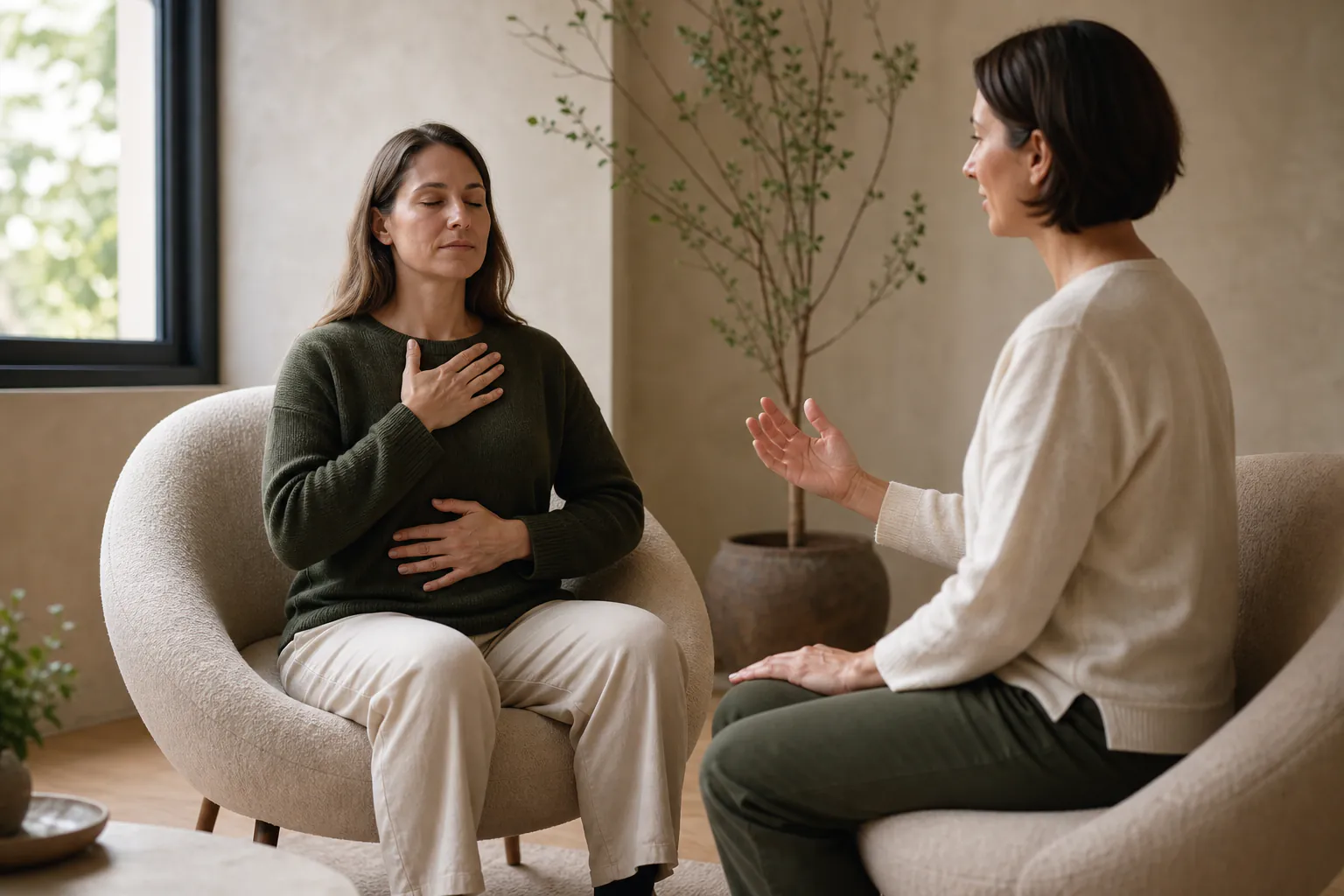
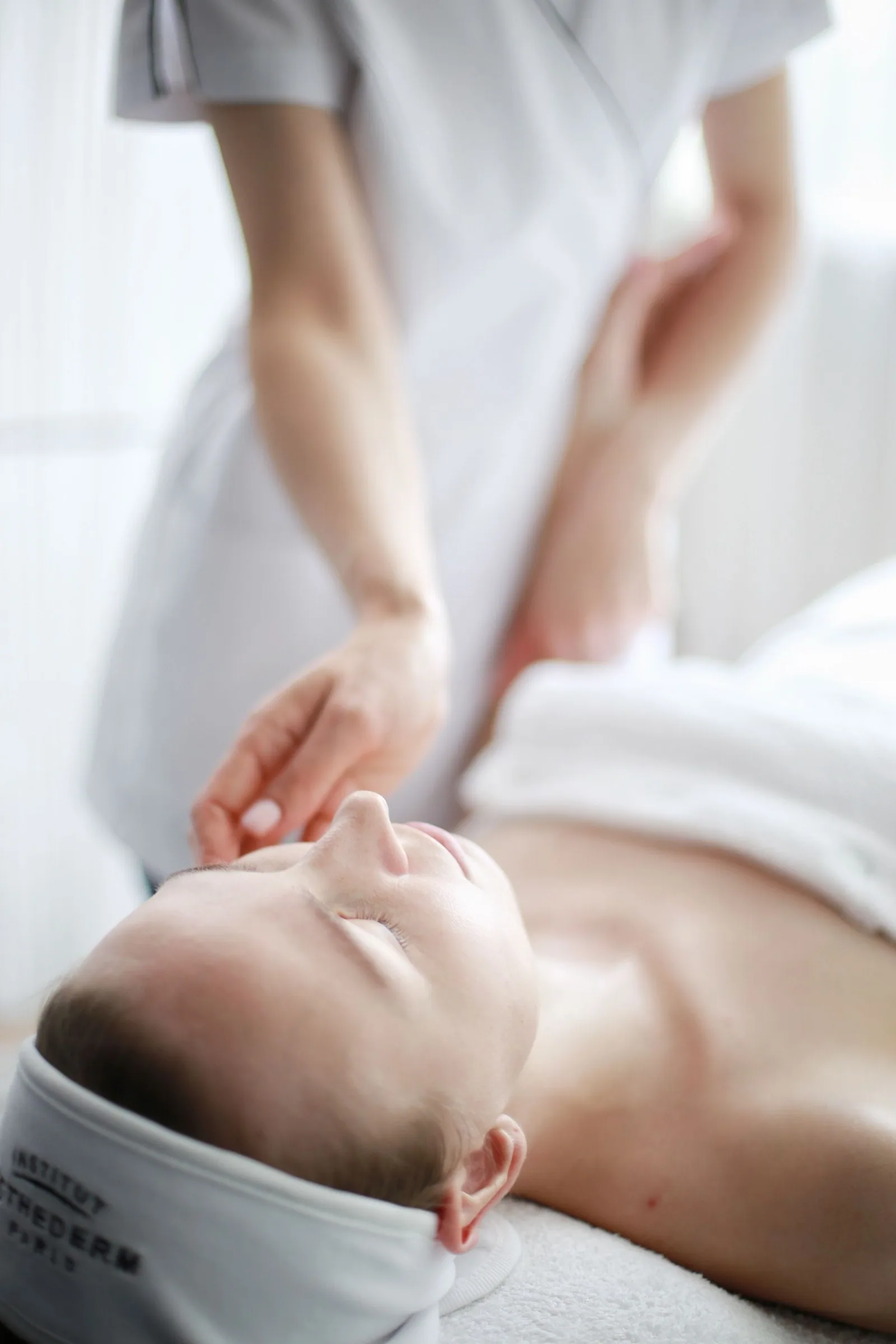
Craniosacral therapy is a complementary hands-on practice that uses very light contact, commonly around the head, spine, pelvis or feet. Sessions are generally quiet and take place fully clothed.
Practitioners describe listening for subtle patterns in the body. Those descriptions belong to the tradition of the practice; they should not be confused with established anatomy or a medical diagnosis.
02
What a session feels like
The first appointment normally begins with a health history and a conversation about comfort. On the treatment table, the practitioner may hold one position for several minutes rather than using the kneading and stroking associated with massage.
People report different experiences: warmth, heaviness, sleepiness, emotion, or very little at all. A responsible practitioner does not tell you what you must feel and does not turn ordinary sensations into alarming explanations.
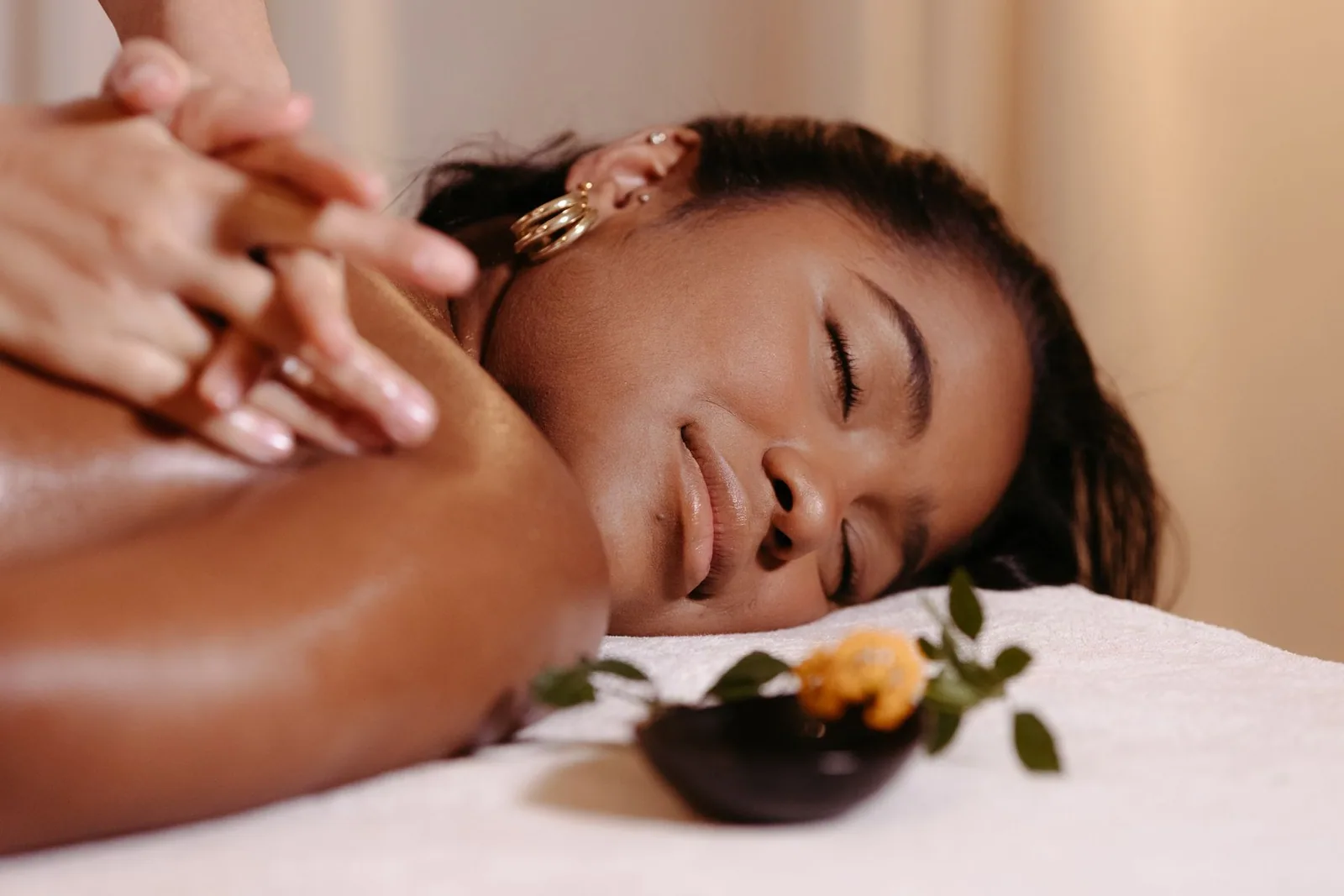
Related guide: Compare light-touch therapy with holistic massage03
What the evidence says
Research on craniosacral therapy is mixed and contested. A recent systematic review found no reliable evidence of clinical effectiveness across the conditions examined, while earlier reviews have reported possible benefits but also important limitations in trial quality.
That uncertainty matters. A calm session may still feel restorative, but craniosacral therapy should not replace medical assessment, physiotherapy, psychological care or prescribed treatment.
04
Choosing a practitioner
Look for clear training, insurance, professional boundaries and a willingness to refer you to a healthcare professional. Ask what will happen, how consent is handled and whether you stay clothed.
Be cautious around promises to cure disease, correct the skull, release trauma automatically or explain complex symptoms with a single theory. Good complementary care leaves room for questions and never pressures you to continue.
A note on complementary care
This guide is general information, not medical advice. Complementary therapies should not delay assessment or replace care from qualified health professionals.
Related treatment
Craniosacral Therapy
A quiet, fully clothed treatment using gentle contact and unhurried attention.
Explore the treatmentQuestions people ask
Frequently asked
Is craniosacral therapy the same as massage?
No. It usually uses much lighter, still contact and is performed through clothing.
How many sessions do I need?
There is no universal course. Start with one session, notice your experience and avoid prepaid plans based on guaranteed outcomes.
Explore this guide
Questions answered here
Sources and further reading
Craniosacral Therapy Association — frequently asked questions 2024 systematic review and meta-analysis