01
The simple version
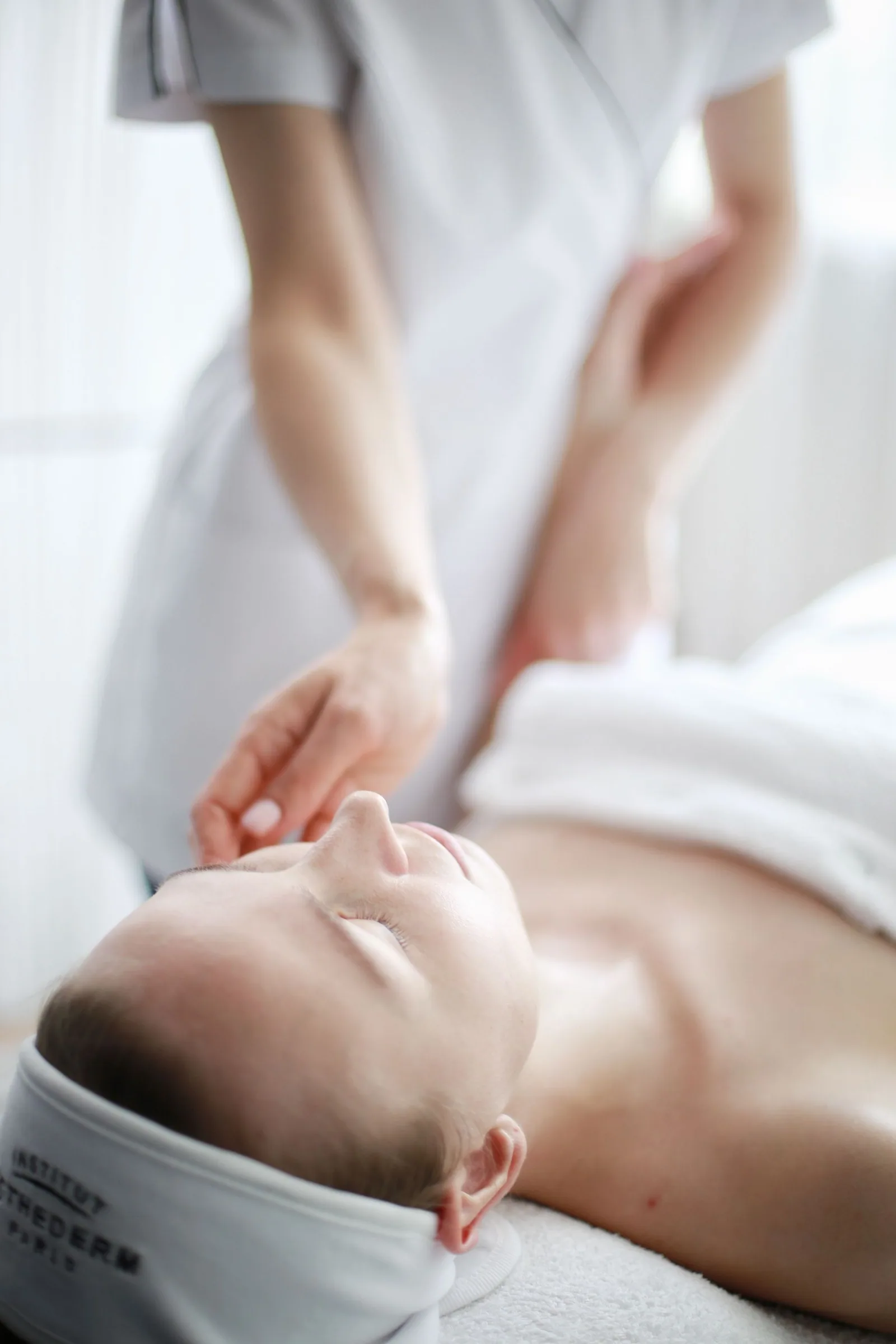
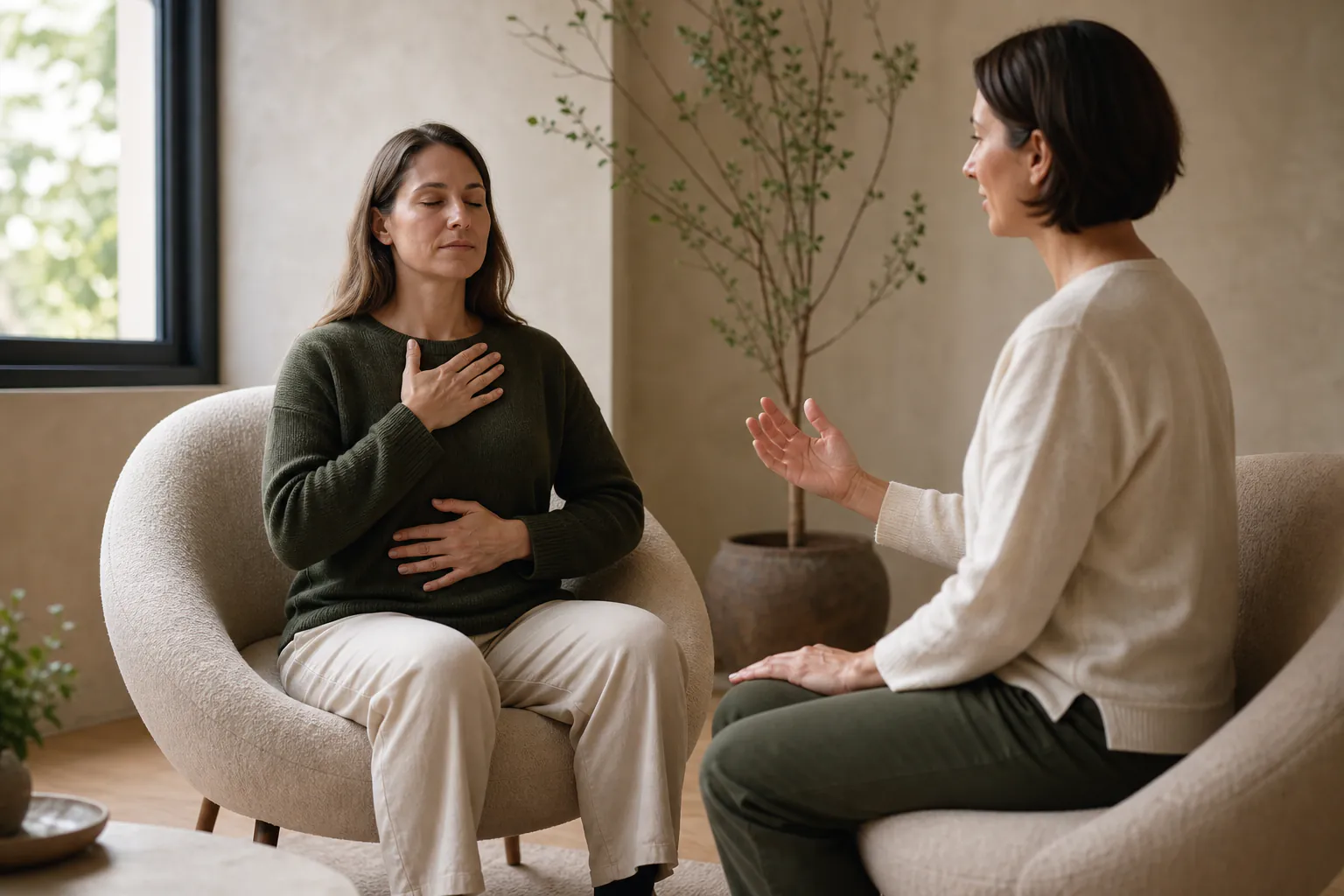
Reiki is a Japanese-origin complementary practice in which a practitioner places their hands lightly on, or just above, the clothed body. Sessions are usually quiet, with a series of hand positions and few physical demands on the client.
Practitioners may describe energy flow through a traditional spiritual framework. You do not need to adopt that framework to experience the appointment as a structured period of stillness and attention.
02
What you may notice
Some people describe warmth, tingling, emotion or deep relaxation. Others notice little beyond the chance to stop. These responses are subjective and none proves that a hidden blockage has been found or cleared.
Consent still applies to gentle practices. You can request no touch, change position, speak, pause or end the session at any time.
Related guide: Compare Reiki with another fully clothed, light-touch practice03
Claims and evidence
Evidence for Reiki producing specific clinical effects is limited and difficult to separate from rest, expectation, attention and the therapeutic setting. It should not be presented as a cure or an alternative to necessary medical care.
A credible practitioner can value the ritual without overstating certainty. They will not ask you to stop medication, delay assessment or attribute serious symptoms to an energetic crisis.
04
Making the session useful
Choose a setting where boundaries, timing and touch are explained clearly. Decide what you want from the hour: quiet, reflection, a pause between demanding weeks, or simple curiosity.
The most grounded measure is not whether something dramatic happens. It is whether you felt respected, comfortable and free to make your own choices.
A note on complementary care
This guide is general information, not medical advice. Complementary therapies should not delay assessment or replace care from qualified health professionals.
Related treatment
Reiki
A quiet, non-invasive session for people drawn to energy-based practice.
Explore the treatmentQuestions people ask
Frequently asked
Do you stay clothed during Reiki?
Yes. Reiki is normally offered fully clothed.
Is Reiki a religion?
No. It has spiritual traditions, but a session does not require religious belief.
Explore this guide
Questions answered here
Sources and further reading
NCCIH — Reiki CNHC — choosing complementary healthcare